Lifetime access
$5
one payment, yours for good
- All 54 quests across all 14 worlds
- Play mode, quest passport and storybook
- Works offline, with no account
- No ads and no subscription
Tiny Quest is the app your kid doesn't need to stare at. Tap how the afternoon feels, read one line out loud, and your child takes it from there.
Kids never run out of imagination. Grown-ups run out of ideas, usually around four. Tiny Quest keeps the ideas coming.
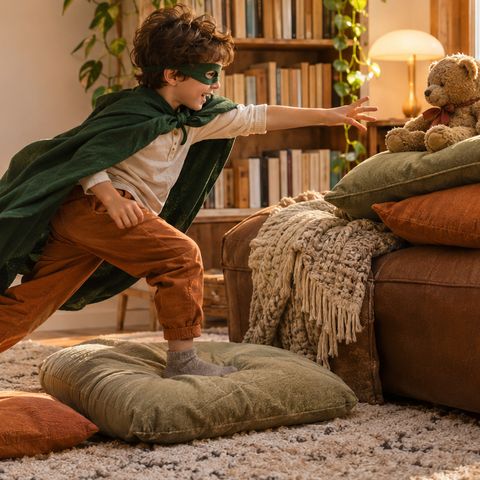

Most afternoons don't need a new toy or a better plan. They need one good idea at the exact moment the grown-up has run out of them. That moment is what Tiny Quest is for.
Pediatric guidance describes play as the way young children practise talking, self-control and getting along with others (The Power of Play, American Academy of Pediatrics). A big part of it is the back-and-forth with a grown-up, what Harvard's Center on the Developing Child calls serve and return. A screen can't take your turn in that conversation.
Most apps for kids keep the child on the screen. Tiny Quest is for the grown-up: it hands you the opening line in about ten seconds, then goes back in your pocket. Your child supplies the imagination, as children always do. You only need the first spark, and you never have to run out of it.
Each one deals a real quest from the library. Deal again for another.
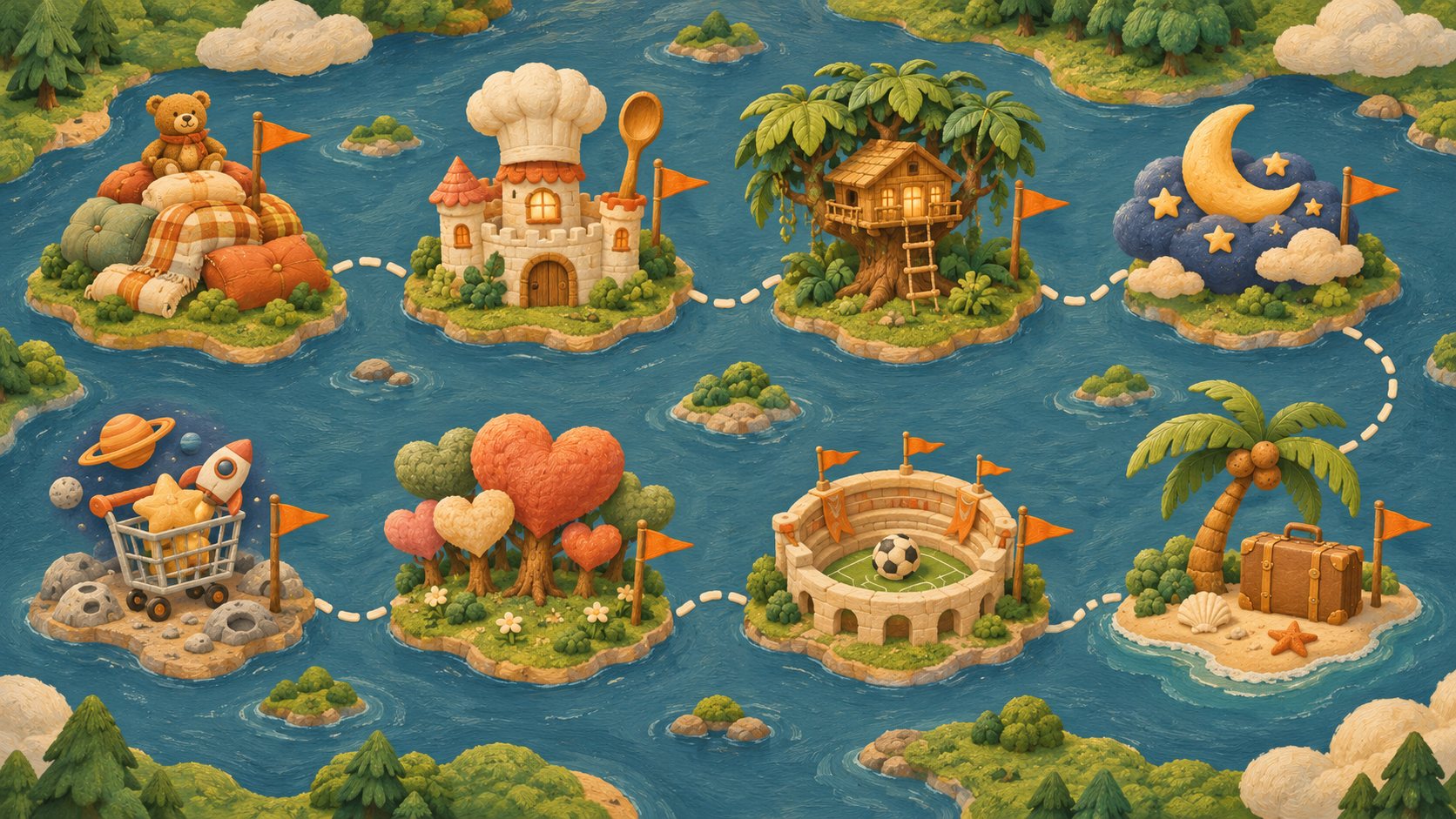
Bedtime Moon
Mission Control
Let's goFirst, tap how the afternoon feels.
Say this
“Astronaut, your mission is to collect the moon rocks and return to base.”
Said itThen read the line out loud.
Step 1 of 1
Call out slow commands: walk, freeze, crouch, collect, return.
Calm it downThen the phone goes in your pocket.
Quest complete · sample
“Mission Control, the moon rocks are home safe!”
Last, keep what they said.
From opening the app to a quest you can use. Six buttons cover most of a parent's day, and “Give me a quest” deals one at random.
Pillows, socks, a spoon, a blanket. Twenty of the quests need nothing at all, and none of them needs a shopping trip.
Your child plays in the real world. The screen is your prompt card, and play mode shows one step at a time in type you can read at a glance.
Quests work offline and memories stay on your phone. There are no streaks to keep, scores to beat or lectures to sit through.


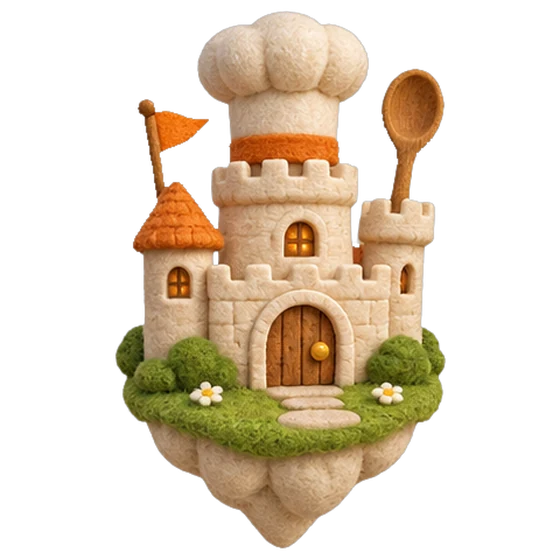
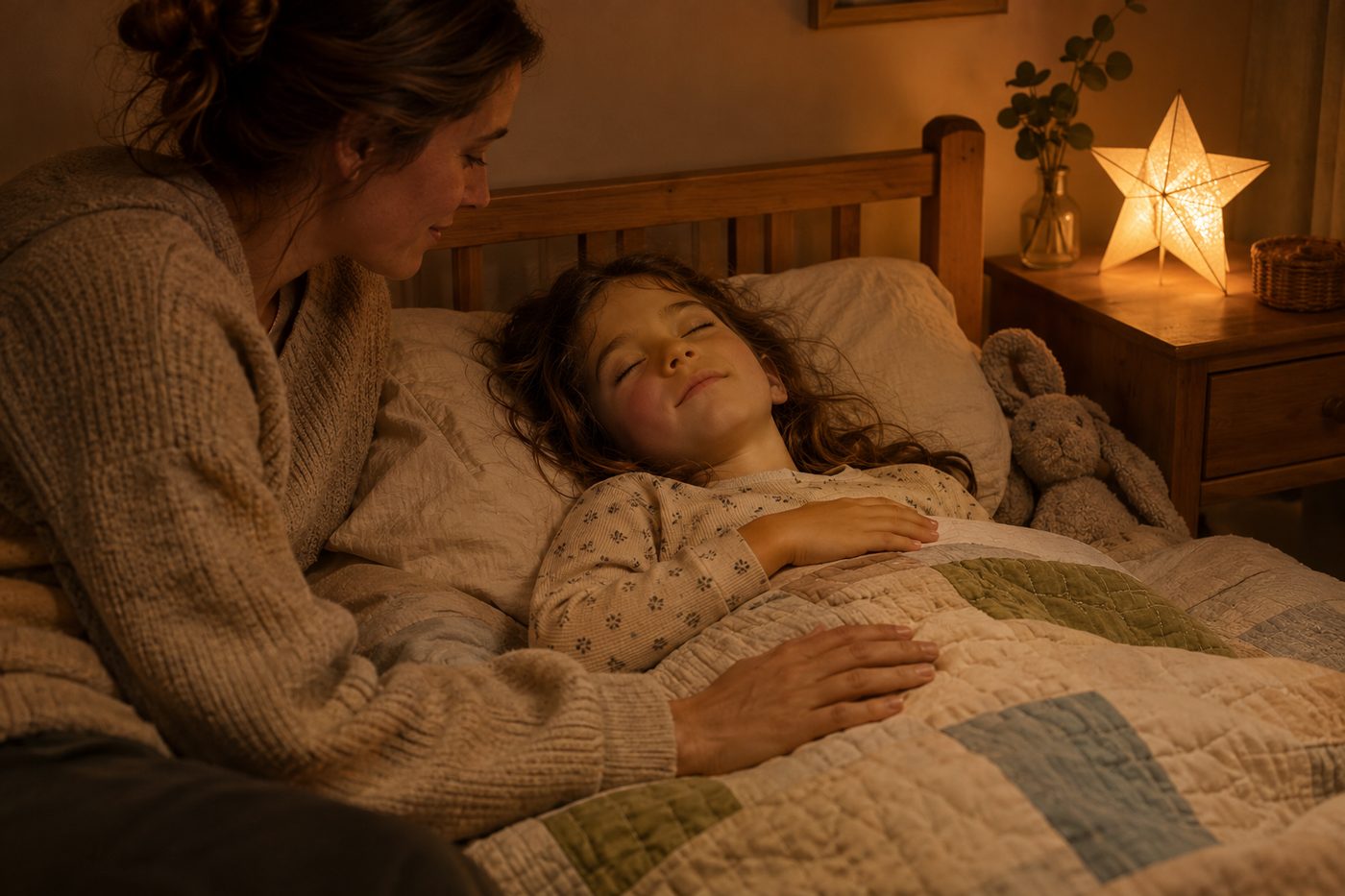

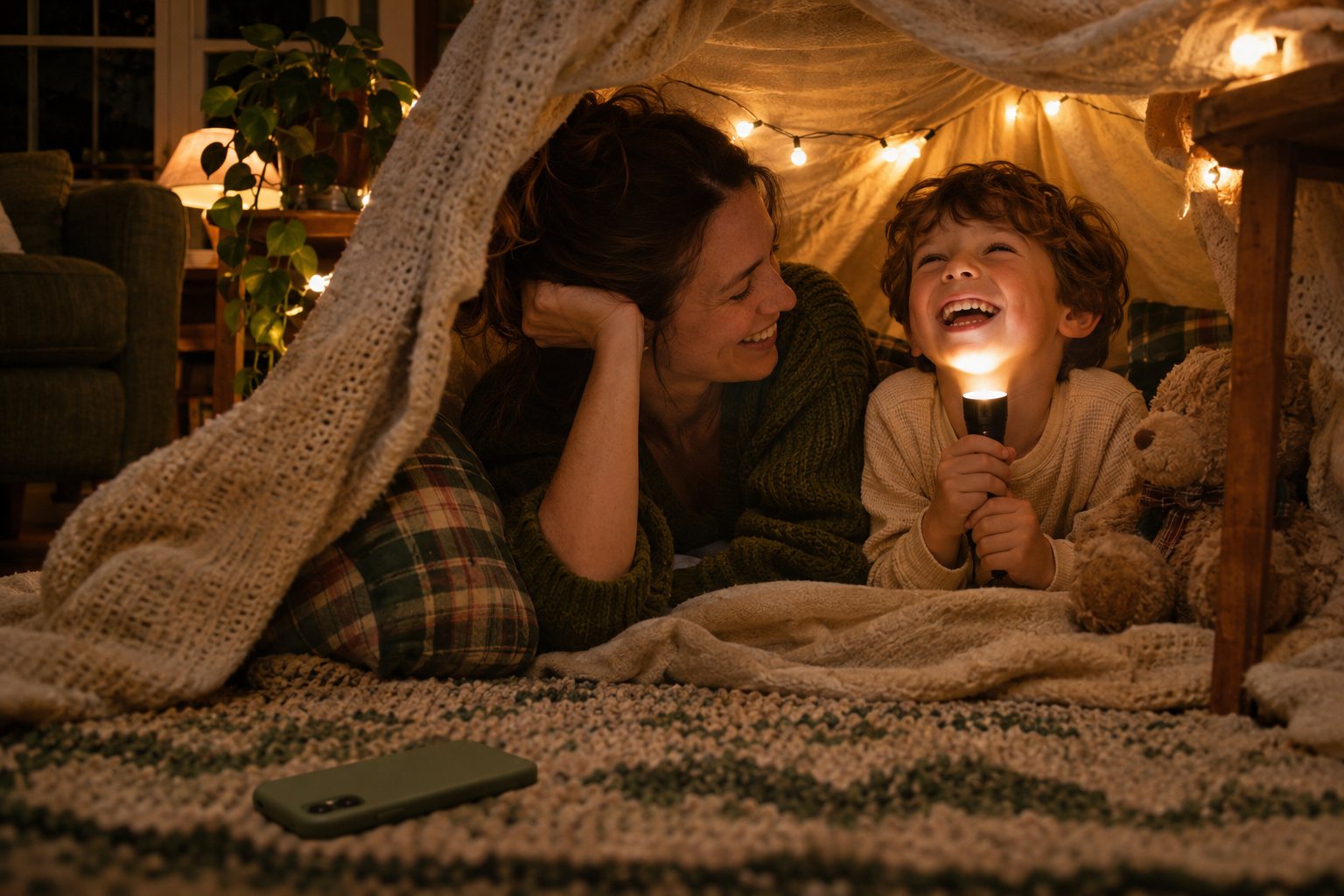
Tiny Quest ends every quest with one question. What did your child name the mountain? What does the invisible pet eat? You answer it while it is fresh, add a photo if you want one, and it goes into a private storybook on your phone. There is no account, nothing is uploaded, and nobody else sees it. Over a month the storybook fills up with what you played and the exact words they used, like this sample line after Couch Mountain Rescue: “I rescued Jumbo and became a mountain hero!” The quests come from a library written for kids from two to eight, across fourteen worlds, each with a safety note and a calmer version for the end of a long day. Most need nothing more than pillows, socks or a blanket. See a sample storybook page.
Fifty-four of them, from Couch Mountain Rescue to Star Breath, each with its line to say, its steps and its safety note.
Lifetime access to every quest in every world, with nothing to renew and nothing extra to buy later.
$5
one payment, yours for good
No. Tiny Quest is for the grown-up. You read the quest, say the line and put the phone away. Your child plays with pillows, socks and their imagination.
Kids from 2 to 8. Every quest shows its age range, and once you tell the app your child's age it deals quests that fit.
Tap “I'm tired”. Those quests let you sit or lie down while your child does the moving, like Mission Control, where you call out commands from the couch.
No. Every quest uses things most homes already have, and twenty need nothing at all. The library has a “Nothing needed” filter.
Into your phone's own storage, inside the app. There is no account and nothing is uploaded. If you delete the app, the memories go with it.
Public guidance on play, movement and back-and-forth talk between children and grown-ups, including The Power of Play from the American Academy of Pediatrics, Harvard's serve and return, the WHO guidelines for children under 5 and the Canadian Paediatric Society's position on screen time. Tiny Quest makes no developmental promises; every quest carries a safety note, and you know your child and your space best.